Cash App Guide 2026: Send, Save, and Invest Smarter
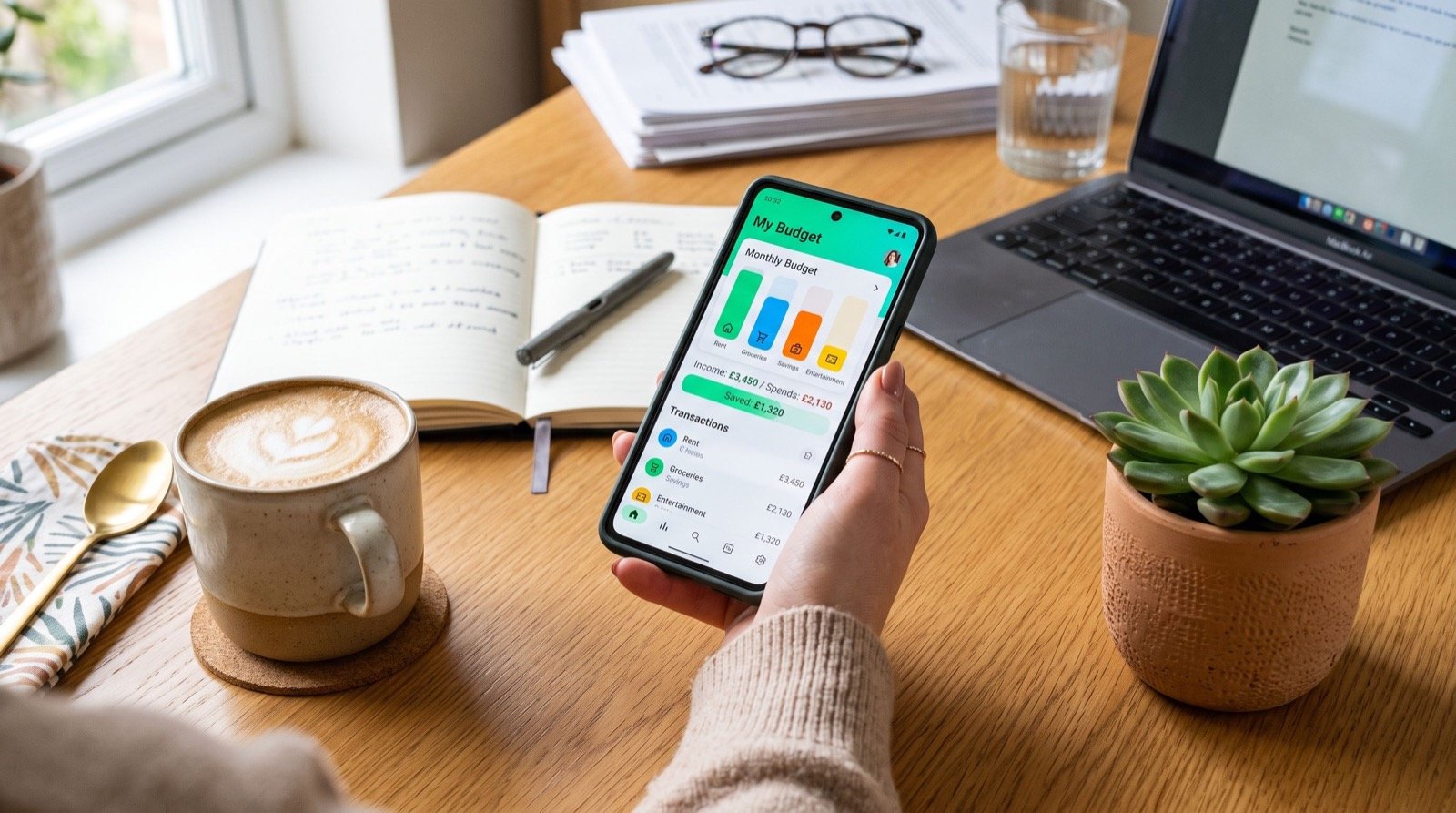
If you have ever split a dinner bill by tapping a phone or received your paycheck a day early, you already understand why peer-to-peer payments have reshaped everyday money. This Cash App guide walks you through the features that matter in 2026, the fees people overlook, and the habits that turn a simple payment app into a genuine financial tool. My goal is practical: fewer surprises, faster transfers, and more of your money staying yours.
I have used mobile wallets daily for years, and the biggest lesson is that convenience and carelessness look identical until something goes wrong. So we will cover the setup, the safeguards, and the smart moves that separate casual users from confident ones.
Why a Cash App Guide Matters in 2026
Instant payment volume keeps climbing as banks adopt real-time rails. According to the Federal Reserve’s FedNow Service, instant settlement is now standard across thousands of participating institutions, which means the money you send often lands in seconds rather than days.
That speed is powerful, but it is also irreversible. A payment sent to the wrong handle rarely comes back. Understanding the mechanics protects both your cash and your peace of mind.
Who benefits most from payment apps?
Freelancers, students, gig workers, and small households gain the most. If you invoice clients or reimburse roommates weekly, a streamlined wallet removes friction. Business owners juggling marketing bills also benefit; I have seen a solo consultant pay an experienced local team for a campaign in one tap and log the expense the same minute.
Setting Up Your Account the Right Way
Rushed setups cause most headaches. Take five extra minutes now to avoid locked accounts later.
- Verify your legal name and date of birth so identity checks pass cleanly.
- Link a debit card and a bank account, then confirm the micro-deposits.
- Set a unique $Cashtag that is easy to spell and hard to spoof.
- Enable biometric lock and a separate app PIN.
- Turn on transaction notifications so you spot fraud within seconds.
Once verified, your sending limits rise and you unlock direct deposit. Many users report receiving wages up to two days early, which quietly smooths out tight weeks.
Fees, Speed, and the Fine Print
Free is rarely entirely free. The table below compares the everyday actions people take, so you can plan around the costs instead of stumbling into them.
| Action | Typical Cost | Speed |
|---|---|---|
| Standard transfer to bank | Free | 1–3 business days |
| Instant transfer to bank | 0.5%–1.75% | Seconds |
| Sending from linked debit card | Free | Instant |
| Sending from credit card | ~3% | Instant |
| ATM withdrawal (with direct deposit) | Often reimbursed | Instant |
My rule of thumb: use standard transfers unless the delay actually costs you something. Paying 1.75% to move funds a day sooner adds up fast if you do it repeatedly.
How can you avoid unnecessary charges?
Fund payments from your linked bank balance or debit card, not a credit card. Batch your withdrawals to hit the direct-deposit reimbursement threshold. And keep a small buffer in the app so you are never forced into an instant transfer during an emergency.
Turning a Wallet Into a Financial Tool
The apps that win in 2026 do more than move money; they help you grow it. Look for these capabilities when you compare options:
- Fractional stock and ETF investing with no per-trade commission.
- Automatic round-ups that sweep spare change into savings.
- Round-the-clock fraud monitoring and instant card freezing.
- FDIC pass-through insurance on stored balances through partner banks.
- Clear tax documents for anyone selling assets or receiving business income.
For a deeper walkthrough of setup, limits, and security, this Cash App guide breaks the process into simple steps. And if you are weighing alternatives, comparing the best money apps side by side helps you match features to how you actually spend.
Investing responsibly through your app
Buying a single dollar of a blue-chip stock feels harmless, and it can be a great learning tool. But treat in-app investing as a starting line, not a strategy. The U.S. Securities and Exchange Commission’s Investor.gov stresses diversification and long horizons over chasing headlines. Keep speculative bets small and automate contributions to a broad index instead.
Staying Safe From Scams
Instant payments attract instant fraud. Scammers pose as support agents, fake “accidental” payments, and pressure victims to move money quickly. Real support will never ask for your PIN or a payment to “verify” your account.
Treat every unexpected request as suspicious. Slow down, confirm the recipient through a second channel, and remember that urgency is the oldest trick in the book.
Red flags worth memorizing
Certain patterns show up in nearly every scam I have reviewed. Keep this short checklist somewhere you will actually see it before sending money to anyone new.
- Requests to “return” a payment you never expected to receive.
- Anyone claiming to be support and asking for your sign-in code.
- Deals that demand payment within minutes or “lose the offer.”
- Sellers who insist on a payment app instead of a protected checkout.
Building Everyday Habits That Last
The people who get the most from payment apps treat them like a checking account, not a piggy bank. They reconcile balances weekly, sweep excess funds into savings, and keep only spending money in the app.
I also recommend labeling recurring payments with clear notes. When tax season arrives, a tidy, searchable history turns hours of guesswork into a five-minute export. Small discipline now saves real stress later.
Frequently Asked Questions
Is Cash App safe to use for everyday payments?
Yes, when you enable biometric locks, a PIN, and notifications. The core risk is user error, not the platform, so verify recipients before you send and never share security codes.
Does using this Cash App guide help me avoid fees entirely?
You can avoid most fees by choosing standard transfers and funding payments from a bank balance or debit card. Instant transfers and credit-card funding are the two charges most people can sidestep.
Can I get paid earlier with direct deposit?
Often yes. Many users receive wages up to two days early because the app releases funds as soon as the payment file arrives, rather than waiting for the scheduled payday.
What should I do if I send money to the wrong person?
Request the payment back immediately and message the recipient. Because transfers settle instantly, recovery depends on the other party’s goodwill, so double-check the $Cashtag before every send.
Final Takeaways
A payment app rewards the people who treat it deliberately. Use this Cash App guide to lock down security first, keep fees near zero, and let automation quietly build your savings and small investments. Master those three habits and your phone becomes one of the most useful financial tools you own in 2026.